Personal protective equipment plays a central role in workplace safety across South Africa. From hospitals and laboratories to construction sites and food production facilities, employers are required to assess risk and provide suitable protection for their teams.
While gloves are one of the most recognised forms of PPE, they represent only one part of a broader safety framework. Understanding personal protective equipment standards in South Africa, along with industry-specific compliance requirements, helps businesses maintain safe and legally compliant operations.
This guide explains how PPE is regulated, the different types of equipment beyond gloves, and what industries need to consider when selecting protective solutions.
Understanding Personal Protective Equipment Standards in South Africa
Personal protective equipment in South Africa is governed primarily by the Occupational Health and Safety Act. This legislation places a duty on employers to identify workplace hazards and implement measures to protect employees.
Where risks cannot be eliminated through engineering or administrative controls, appropriate PPE must be provided. Equipment must be suitable for the task, properly maintained, and used correctly by trained personnel.
In certain sectors, additional regulations apply. Healthcare facilities, for example, must comply with infection prevention and control standards. Industrial operations may need to meet sector-specific safety codes or South African National Standards.
Compliance is not only about purchasing equipment. It involves ensuring that PPE meets recognised testing standards, is correctly fitted, and is replaced when damaged or expired.
The Role of PPE for Healthcare Environments
PPE for healthcare settings carries heightened responsibility. Medical staff are regularly exposed to biological hazards, including bloodborne pathogens and airborne infectious agents.
Healthcare facilities typically require:
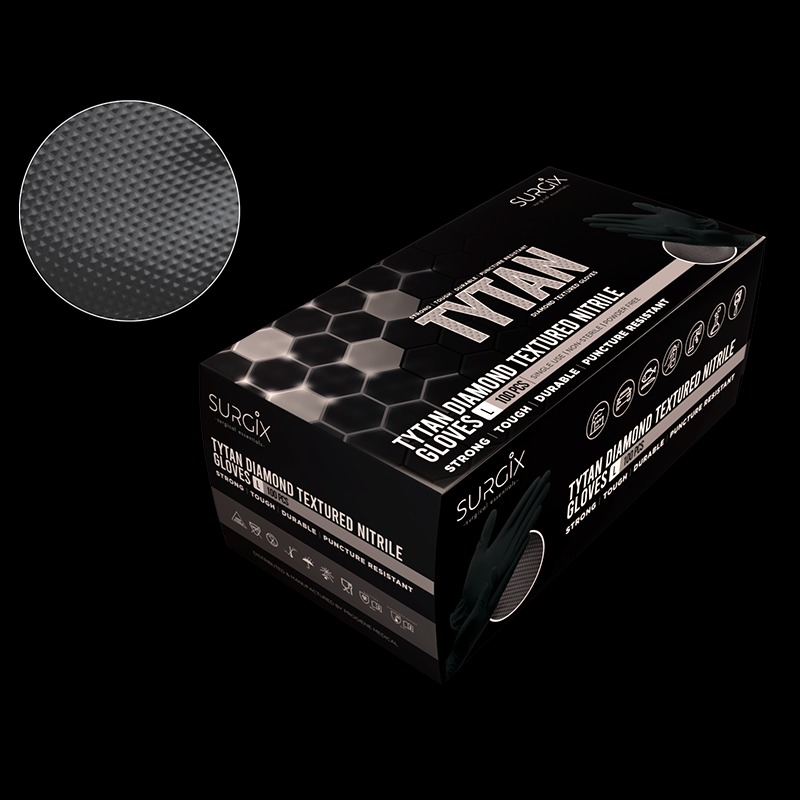
Disposable medical gloves
Surgical masks and respirators
Protective gowns and aprons
Face shields and eye protection
Each item must meet defined safety and barrier standards. Gloves, for example, should be medical grade and tested for resistance to viral penetration. Masks must provide adequate filtration based on their classification.
Proper training is also essential. Even high-quality PPE for healthcare can fail if not used or removed correctly. Hospitals and clinics must implement protocols for donning, doffing, and disposal to reduce cross-contamination risks.

Types of Personal Protective Equipment Beyond Gloves
Although disposable gloves are widely used across industries, personal protective equipment includes several other categories designed to address different hazards.
Respiratory protection includes masks and respirators that protect against dust, fumes, vapours, and infectious particles. The required level of protection depends on the airborne risk present in the environment.
Eye and face protection includes safety glasses, goggles, and face shields. These are essential in environments where splashes, flying debris, or chemical exposure may occur.
Protective clothing such as coveralls, gowns, aprons, and high-visibility garments provides a barrier against contaminants or improves visibility in hazardous work zones.
Hearing protection, including earplugs and earmuffs, is required in environments with sustained high noise levels. Prolonged exposure to loud machinery can result in permanent hearing damage if not properly managed.
Foot protection, such as safety boots with reinforced toe caps and slip-resistant soles, protects workers in construction, warehousing, and manufacturing settings.
Each type of PPE addresses a specific risk category. A complete risk assessment determines which combination is required.
Industry-Specific PPE Compliance Requirements
Different industries in South Africa face different compliance expectations.
Healthcare providers must adhere to infection prevention guidelines and ensure PPE for healthcare meets clinical safety standards. Regular audits may assess whether staff have access to appropriate protective clothing and whether protocols are followed consistently.
Food processing and food service businesses must maintain hygiene standards that prevent contamination. This often includes gloves, hair coverings, aprons, and sometimes face masks. PPE must not introduce contaminants into food production areas.
Construction and mining industries face strict regulations due to high-risk environments. Hard hats, steel-toe boots, high-visibility clothing, and respiratory protection are common requirements. Equipment must comply with recognised safety certifications.
Manufacturing and chemical processing facilities must assess exposure to solvents, dust, fumes, and mechanical hazards. PPE may include chemical-resistant gloves, respirators, protective suits, and eye protection.
Failure to comply with industry regulations can result in penalties, operational shutdowns, and reputational damage. More importantly, inadequate PPE increases the risk of injury or illness.
Risk Assessment as the Foundation of PPE Selection
Selecting personal protective equipment should never be a generic process. Employers are required to conduct formal risk assessments that identify potential hazards in the workplace.
This assessment should consider:
The type of hazard, whether biological, chemical, physical, or mechanical
The duration and frequency of exposure
The number of employees affected
Environmental conditions such as temperature and ventilation
Based on this information, businesses can determine which PPE is required and whether specialised equipment is necessary.
In healthcare environments, for example, PPE must address infection control risks. In industrial settings, the focus may shift toward chemical resistance and impact protection.
Storage, Maintenance, and Replacement Practices
Providing PPE is only the first step. Equipment must be stored and maintained properly to ensure ongoing effectiveness.
Disposable items such as gloves and masks should be kept in clean, dry conditions away from direct sunlight. Reusable items like face shields and protective goggles must be cleaned and inspected regularly.
Damaged or expired PPE should be removed from circulation immediately. Employers should also implement clear replacement schedules for high-use items.
Training employees to recognise when PPE is compromised is part of maintaining compliance and safety standards.
The Importance of Reliable PPE Supply
Consistent access to quality personal protective equipment supports uninterrupted operations. Shortages or inconsistent specifications can create compliance gaps and safety risks.
Businesses benefit from working with established suppliers who understand local regulations and industry requirements. Reliable sourcing ensures that PPE for healthcare, industrial operations, and food environments meets relevant standards.
As safety expectations evolve, suppliers also play a role in providing updated products that align with current regulatory guidance.
FAQs About Personal Protective Equipment
What is personal protective equipment and why is it important?
Personal protective equipment refers to clothing and devices designed to protect workers from workplace hazards. This includes gloves, masks, eye protection, protective clothing, and safety footwear. PPE is important because it reduces the risk of injury, illness, and exposure to harmful substances when other control measures are not sufficient.
What standards regulate personal protective equipment in South Africa?
Personal protective equipment in South Africa is primarily regulated by the Occupational Health and Safety Act. Certain industries, such as healthcare and construction, may also have additional sector-specific standards. Employers are responsible for ensuring that PPE meets recognised safety requirements and is suitable for identified workplace risks.
What types of PPE are required for healthcare settings?
PPE for healthcare commonly includes medical gloves, surgical masks or respirators, protective gowns, and eye protection. The exact requirements depend on the type of care provided and the level of infection risk. Healthcare facilities must follow infection control guidelines to determine appropriate PPE use.
How often should PPE be replaced?
Disposable PPE such as gloves and masks should be replaced after each use or when contaminated. Reusable equipment should be inspected regularly and replaced if damaged or worn. Employers should establish clear replacement schedules based on manufacturer guidelines and workplace risk assessments.
How can businesses ensure compliance with PPE regulations?
Businesses can ensure compliance by conducting thorough risk assessments, selecting appropriate personal protective equipment, training employees on correct use, and maintaining proper storage and replacement procedures. Working with reputable suppliers also supports consistent access to compliant products.
Learn More About Personal Protective Equipment Solutions
Personal protective equipment remains a critical safeguard across healthcare, industrial, and commercial sectors. Understanding standards in South Africa, recognising industry-specific requirements, and selecting suitable PPE for healthcare and other environments helps protect both employees and operations.
To explore a comprehensive range of personal protective equipment designed for modern workplace needs, visit GloveSA and discover solutions tailored to your industry.