Powder-free nitrile gloves have become a standard choice across healthcare, laboratory, manufacturing, and cleaning environments. As safety requirements tighten and latex allergies remain a concern, more organisations are switching to nitrile as their preferred disposable glove material.
At the same time, confusion often arises around glove grades. What is the difference between medical grade nitrile gloves and industrial-grade options? And how do you choose the right one for your workplace?
This guide explains how powder-free nitrile gloves work, how medical and industrial grades differ, and what to consider before purchasing.
Why Powder-Free Nitrile Gloves Are Widely Used
Powder-free nitrile gloves are made from synthetic rubber. Unlike latex gloves, they do not contain natural rubber proteins that can trigger allergic reactions. This makes them suitable for environments where staff or customers may have latex sensitivities.
The powder-free design also plays an important role. Older powdered gloves used cornstarch to make donning easier, but powder can contaminate surfaces, interfere with medical procedures, and compromise hygiene in food handling areas. Powder-free gloves eliminate this issue, helping maintain cleaner working conditions.
Nitrile itself is known for strong puncture resistance, flexibility, and durability. It provides a reliable barrier against contaminants while allowing good tactile sensitivity for detailed tasks.
What Are Medical Grade Nitrile Gloves?
Medical grade nitrile gloves are designed and tested for use in healthcare and clinical settings. They must meet strict regulatory requirements to ensure they provide a reliable barrier against pathogens and bodily fluids.
Medical grade nitrile gloves are typically tested for:
Barrier integrity through water leak tests
Resistance to viruses and bacteria
Tensile strength and elongation standards
These gloves are used in hospitals, clinics, dental practices, laboratories, and other healthcare environments where infection control is critical.
Because of their regulatory classification, medical grade nitrile gloves undergo more rigorous quality checks compared to many industrial alternatives. This ensures consistent performance in high-risk environments.
What Are Industrial Grade Nitrile Gloves?
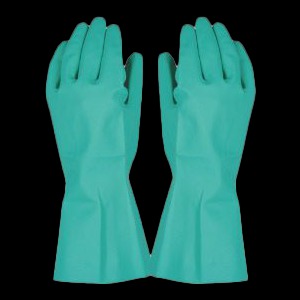
Industrial grade nitrile gloves are intended for non-medical tasks. They are commonly used in manufacturing, automotive work, cleaning, food processing, and general maintenance.
While industrial gloves still offer strong puncture resistance and chemical protection, they are not certified for medical examination use. They may not undergo the same virus penetration testing required for medical grade products.
That said, industrial-grade powder-free nitrile gloves remain suitable for many tasks that require hand protection from chemicals, oils, dirt, and light mechanical hazards.
Choosing industrial grade gloves is often appropriate when the risk involves chemicals or surface contaminants rather than exposure to bloodborne pathogens.
Key Differences Between Medical and Industrial Grades
Understanding the difference between medical and industrial grades helps businesses avoid over-specifying or under-specifying their PPE.
Medical grade nitrile gloves must comply with healthcare regulatory standards. They are tested for pathogen resistance and are suitable for patient contact and clinical procedures.
Industrial grade nitrile gloves focus more on durability and chemical resistance for mechanical and maintenance tasks. They are not approved for medical examinations or surgical procedures.
Another difference may involve quality assurance thresholds. Medical grade gloves often have stricter acceptable quality level standards, meaning fewer defects are permitted per batch.
For businesses, the correct choice depends on the type of exposure risk present in the workplace.
Why Powder-Free Matters in Both Grades
Whether medical or industrial, powder-free nitrile gloves offer clear advantages.
In healthcare settings, powder particles can interfere with wound healing and contaminate sterile environments. Removing powder reduces this risk and supports infection control protocols.
In industrial and food environments, powder residue can settle on equipment or products. This may affect hygiene, product quality, or compliance with food safety regulations.
Powder-free gloves also reduce the likelihood of respiratory irritation that can occur when powder becomes airborne in enclosed workspaces.
For these reasons, powder-free designs are now the preferred option in most professional settings.
Chemical Resistance and Durability Considerations
Nitrile is known for strong resistance to many oils, solvents, and chemicals. This makes it suitable for automotive workshops, laboratories, and cleaning operations.
Medical grade nitrile gloves may also offer chemical resistance, but their primary focus is biological protection. Industrial users handling solvents or degreasers should always review chemical compatibility charts before selecting a glove type.
Thickness also plays a role. Thicker gloves often provide greater durability but may slightly reduce tactile sensitivity. Thinner gloves offer improved dexterity but may be less suited to heavy-duty tasks.
Matching glove thickness and grade to the job requirement ensures both safety and efficiency.
Choosing the Right Powder-Free Nitrile Gloves for Your Business
Selecting the correct glove starts with identifying the type of risk involved.
If your staff handle patients, biological samples, or bodily fluids, medical grade nitrile gloves are the appropriate choice. These gloves are designed to meet infection control standards and reduce cross-contamination risk.
If your team works with tools, chemicals, machinery, or cleaning agents, industrial-grade powder-free nitrile gloves may be sufficient. They provide durable hand protection without the additional certification requirements of medical products.
Cost considerations also come into play. Medical grade nitrile gloves typically cost more due to their testing and compliance requirements. Using them in low-risk industrial settings may not be necessary.
Working with an experienced supplier such as GloveSA helps ensure the selected glove matches the intended application.
Storage and Handling Best Practices
Regardless of grade, powder-free nitrile gloves should be stored in a cool, dry area away from direct sunlight. Heat and humidity can degrade glove material over time.
Boxes should remain sealed until use to prevent contamination. Stock rotation practices should be implemented to ensure older inventory is used first.
Employees should be trained to change gloves regularly and avoid reusing disposable products. Proper disposal procedures must also be followed in accordance with workplace safety policies.
Good storage and handling practices protect both product performance and workplace compliance.
Industry Applications for Medical Grade Nitrile Gloves
Medical grade nitrile gloves are commonly used in hospitals, clinics, dental surgeries, emergency services, and diagnostic laboratories.
They are also used in certain food production environments where hygiene standards are high and cross-contamination risks must be tightly controlled.
Some cosmetic and aesthetic practices also choose medical grade gloves due to their barrier reliability and client safety considerations.
When biological exposure is a possibility, medical grade gloves are the safer option.
Industry Applications for Industrial Nitrile Gloves
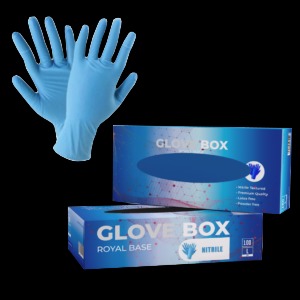
Industrial-grade powder-free nitrile gloves are widely used in automotive workshops, cleaning companies, manufacturing plants, and maintenance operations.
They are suitable for handling oils, greases, paints, and many common cleaning chemicals. Their puncture resistance makes them practical for tasks involving tools and equipment.
Food processing facilities may also use industrial nitrile gloves when direct patient care is not involved but hygiene remains important.
The key is ensuring the glove specification matches the hazard profile of the task.
FAQs About Powder-Free Nitrile Gloves
What are powder-free nitrile gloves used for?
Powder-free nitrile gloves are used in healthcare, laboratories, manufacturing, food handling, and cleaning environments. They provide a protective barrier against contaminants, chemicals, and biological hazards. The powder-free design reduces contamination risks and supports cleaner working conditions across multiple industries.
Are medical grade nitrile gloves stronger than industrial gloves?
Medical grade nitrile gloves are not necessarily thicker or stronger, but they are tested to stricter regulatory standards for barrier integrity and pathogen resistance. Industrial gloves may offer similar durability for mechanical tasks but are not certified for medical examination use.
Can industrial nitrile gloves be used in medical settings?
Industrial nitrile gloves should not be used for medical examinations or procedures involving patient contact. Medical grade nitrile gloves are specifically tested and approved for these applications to ensure proper infection control.
Why are powder-free gloves preferred over powdered gloves?
Powder-free gloves reduce the risk of contamination, airborne particles, and residue on surfaces. In healthcare and food environments, this helps maintain hygiene standards. Powder-free designs also reduce the risk of respiratory irritation in enclosed workspaces.
How do I know which nitrile glove grade is right for my business?
The correct choice depends on the type of exposure risk in your workplace. If there is potential contact with bodily fluids or pathogens, medical grade nitrile gloves are required. For chemical handling or mechanical tasks, industrial-grade powder-free nitrile gloves may be appropriate.
Explore Powder-Free Nitrile Gloves for Your Workplace
Choosing the right powder-free nitrile gloves is about understanding risk, compliance, and task requirements. Whether you need medical grade nitrile gloves for healthcare environments or durable industrial options for mechanical work, selecting the appropriate grade protects both staff and operations.
To learn more about powder-free nitrile gloves and available specifications, explore the full product range available from GloveSA and find the right fit for your business needs.