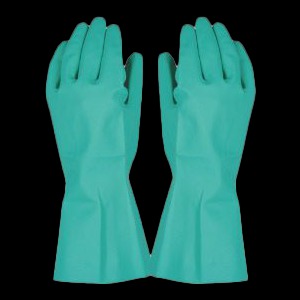
Personal protective equipment has become a non-negotiable part of operations across healthcare, food production, manufacturing, and cleaning industries. Over the past decade, one material has steadily taken the lead in disposable hand protection. Nitrile gloves now dominate the South African PPE market, replacing latex as the preferred option in many sectors.
Glove SA explains why this shift has occurred and why nitrile gloves PPE solutions continue to gain ground across professional environments.
The Shift from Latex to Nitrile in South Africa
Latex gloves were once the standard across medical and industrial settings. They offered flexibility and sensitivity, making them suitable for clinical tasks. However, concerns around latex allergies began to influence procurement decisions.
Natural rubber latex contains proteins that can trigger allergic reactions in some individuals. In healthcare environments, repeated exposure increases the risk of sensitivity among staff and patients. Employers faced growing pressure to reduce allergy-related incidents and workplace liability.
Nitrile gloves, made from synthetic rubber, provided a practical alternative. Because they are latex-free, they significantly reduce allergy risks. As awareness grew across South Africa, more institutions began transitioning to nitrile gloves PPE as a safer baseline standard.
Why Healthcare Facilities Prefer Nitrile Gloves PPE
In hospitals, clinics, dental practices, and laboratories, infection control is central to daily operations. Gloves must provide reliable barrier protection against bloodborne pathogens and bodily fluids.
Nitrile gloves offer strong puncture resistance compared to traditional latex options. This durability reduces the likelihood of tears during high-pressure procedures. At the same time, modern nitrile formulations provide improved tactile sensitivity, allowing healthcare professionals to maintain precision.
Another factor influencing the shift is consistency. Medical grade nitrile gloves undergo strict quality testing to meet healthcare standards. This consistency gives facilities confidence that gloves will perform as expected under clinical conditions.
As healthcare compliance requirements remain strict, nitrile gloves PPE has become the preferred choice for reducing both biological risks and allergy concerns.
Food Processing and Hygiene Standards
The food industry has also contributed to the dominance of nitrile gloves in the South African PPE market. Hygiene regulations require businesses to prevent contamination at every stage of production.
Latex allergies are not limited to healthcare. Food handlers and consumers may also have sensitivities. Using latex gloves in food environments can introduce unnecessary risk.
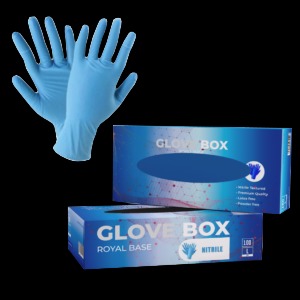
Nitrile gloves eliminate the presence of natural latex proteins. Powder-free designs further reduce contamination risks, as they do not release starch particles that could settle on food products.
Durability is another advantage. In busy food processing lines, gloves must withstand repetitive motion and exposure to moisture and oils. Nitrile performs well under these conditions, supporting hygiene compliance without frequent glove changes.
For these reasons, many food manufacturers and catering operations have standardised nitrile gloves PPE across their facilities.
Industrial Strength and Chemical Resistance
Beyond healthcare and food sectors, nitrile gloves have gained popularity in industrial settings. Automotive workshops, cleaning companies, laboratories, and manufacturing plants require gloves that can handle oils, solvents, and cleaning agents.
Nitrile is known for its resistance to many common chemicals. While no disposable glove offers universal protection, nitrile provides broader resistance compared to latex or vinyl in many applications.
Puncture resistance is equally important in mechanical environments. Workers handling tools, parts, or equipment need gloves that will not tear easily. Nitrile’s tensile strength supports this requirement.
Industrial employers also value the balance between durability and comfort. Gloves that fit well and allow dexterity reduce fatigue and improve productivity. As a result, nitrile gloves PPE has become a practical standard across multiple non-medical industries.
Cost, Supply Stability, and Market Confidence
Market dominance is not driven by performance alone. Procurement strategies also play a role.
As demand increased, global production of nitrile gloves expanded. Greater availability and competitive pricing helped position nitrile as a viable long-term solution. In many cases, the cost gap between latex and nitrile narrowed, making the transition easier for large-scale buyers.
South African businesses increasingly favour standardisation. Using one primary glove material across departments simplifies training, storage, and procurement. Nitrile’s versatility across healthcare, food, and industrial sectors makes it suitable for this approach.
Suppliers such as Glove SA support this shift by providing consistent stock and specifications aligned with local industry needs. Reliable sourcing strengthens confidence in nitrile as a long-term PPE solution.
Compliance and Regulatory Considerations
Workplace safety regulations in South Africa require employers to assess risks and provide suitable personal protective equipment. When allergy prevention, chemical handling, and infection control are factors, nitrile often meets multiple requirements at once.
By adopting nitrile gloves PPE as a standard, organisations can align with both health and safety expectations and hygiene regulations. This reduces the complexity of managing different glove materials for different departments.
Compliance also involves proper storage and training. Gloves must be stored in cool, dry conditions and replaced when damaged or expired. The effectiveness of nitrile gloves depends on correct usage and adherence to workplace protocols.
Why Nitrile Gloves Continue to Lead the Market
The dominance of nitrile gloves in South Africa is the result of several combined factors.
They reduce allergy risks compared to latex.
They offer strong puncture resistance and durability.
They provide reliable chemical resistance in many industrial tasks.
They support hygiene compliance in food production.
They meet medical testing standards in healthcare environments.
This combination of safety, versatility, and practicality explains why nitrile has overtaken latex across multiple sectors.
As industries continue to prioritise worker protection and regulatory compliance, nitrile gloves PPE remains a dependable choice.
FAQs About Nitrile Gloves PPE in South Africa
Why have nitrile gloves overtaken latex gloves in South Africa?
Nitrile gloves have overtaken latex gloves primarily due to allergy concerns and improved performance. Latex can trigger allergic reactions in some individuals, while nitrile is latex-free. In addition, nitrile offers strong puncture resistance and chemical protection, making it suitable for healthcare, food processing, and industrial use.
Are nitrile gloves suitable for both medical and industrial use?
Yes, nitrile gloves are used in both medical and industrial settings. Medical grade nitrile gloves meet strict healthcare testing standards, while industrial versions focus on durability and chemical resistance. This versatility has helped nitrile gloves PPE become widely adopted across sectors.
Do nitrile gloves provide better chemical resistance than latex?
In many applications, nitrile provides broader resistance to oils, solvents, and cleaning agents compared to latex. While no disposable glove protects against every chemical, nitrile is commonly chosen in industrial environments where chemical exposure is a concern.
Are nitrile gloves more expensive than latex gloves?
Historically, nitrile gloves were more expensive than latex. However, increased global production and demand have narrowed the price gap. Many organisations find that the added durability and reduced allergy risks justify the investment.
What industries benefit most from nitrile gloves PPE?
Healthcare facilities, food processing plants, laboratories, cleaning companies, automotive workshops, and manufacturing operations all benefit from nitrile gloves PPE. The material’s durability, hygiene advantages, and chemical resistance make it suitable for diverse applications.
Learn More About Nitrile Gloves from Glove SA
As Glove SA explains why nitrile gloves dominate the South African PPE market, the reasons are clear. Safety standards, allergy prevention, durability, and compliance have all contributed to the material’s widespread adoption.
To explore nitrile gloves PPE options suited to healthcare, food, and industrial environments, visit Glove SA and discover protective solutions designed for modern workplace demands.