Walk into any restaurant or deli and what you see is the finished product—clean counters, fresh ingredients, and a service that feels effortless. What you don’t see is the system behind it all. The routines, the discipline, and the small, repeated actions that keep everything running safely.
That system is built on food safety & hygiene standards. In a commercial kitchen, hygiene isn’t something you check once and forget. It’s something that needs to hold up through every shift, every order, and every staff member moving through the space.
And often, it comes down to the simplest tools—items like deli gloves & mop caps—quietly doing their job in the background.
Food Safety & Hygiene Standards Start with Daily Habits
In a working kitchen, things move quickly. Ingredients are handled, surfaces are reused, and staff shift between tasks constantly. Without structure, it doesn’t take long for small lapses to become bigger risks.
Why Routine Matters More Than Occasional Checks
Hygiene isn’t maintained through occasional deep cleaning or last-minute checks before an inspection. It’s built into the rhythm of daily work.
Staff need to know what is expected of them at all times—how to handle food, when to change gloves, and how to maintain personal hygiene. When these actions become routine, they happen automatically, even during the busiest service periods.
The Quiet Role of Protective Equipment
Protective gear supports this routine. It’s not there to make a statement—it’s there to reduce risk. Gloves create a barrier between hands and food, while mop caps prevent hair from becoming a contamination source.
When used consistently, these items help maintain a controlled environment where hygiene standards are not left to chance.
Deli Gloves & Mop Caps: Simple Tools That Support Clean Kitchens
In high-volume environments, the simplest tools are often the most important. They don’t draw attention, but their absence is immediately noticeable.
Keeping Direct Contact Under Control with Deli Gloves
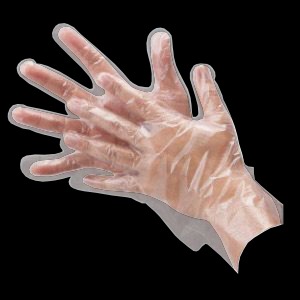
Deli gloves are used for handling ready-to-eat foods—items that won’t go through a final cooking process. In these cases, there’s no second opportunity to remove contaminants.
Using gloves creates a layer of separation that reduces the transfer of bacteria. It also reinforces a visible standard of hygiene that both staff and customers can recognise.
The key, however, is not just wearing gloves—but using them correctly. They need to be changed between tasks, especially when moving from raw to prepared foods.
Why Mop Caps Are More Than Just a Formality
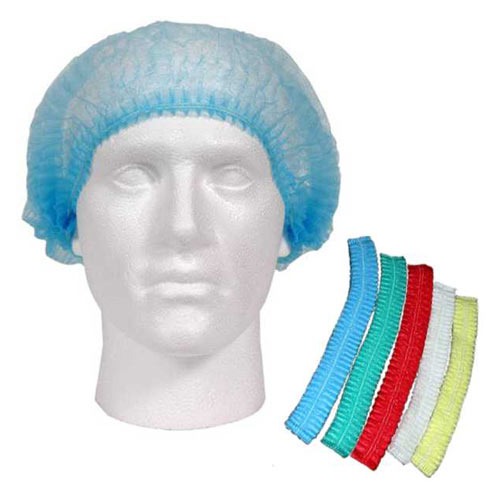
Hair contamination is one of the most preventable risks in a kitchen. Mop caps provide a straightforward solution by keeping hair contained and away from food preparation areas.
They also contribute to a more structured, professional working environment. When everyone follows the same standard, it creates consistency across the team.
Why Blue Nitrile Gloves Are Widely Used in Kitchens
Not all gloves perform the same way, especially in environments where they are used continuously.
Designed for Visibility in Food Preparation
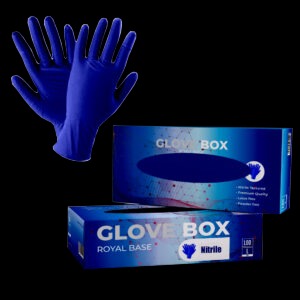
Blue nitrile gloves are commonly used in food environments because they stand out. If a piece of glove material tears or becomes loose, it can be identified quickly against most food types.
This visibility adds an extra layer of safety, particularly in busy kitchens where small details can be missed.
Built to Handle Real Kitchen Conditions
Kitchens expose gloves to more than just food. Oils, cleaning chemicals, and constant movement all affect how materials perform.
Nitrile is designed to handle these conditions. It holds up under pressure, resists tearing, and maintains its structure throughout use. This reliability is essential in environments where gloves are changed frequently but still need to perform consistently.
Preventing Cross-Contamination in Fast-Moving Kitchens
Cross-contamination doesn’t usually happen because of one major mistake. It happens through small, repeated oversights—touching the wrong surface, skipping a glove change, or moving between tasks too quickly.
How Everyday Actions Reduce Risk
Gloves play a direct role in limiting the spread of contaminants, but only when they are used with awareness. Changing gloves between tasks and removing them before touching non-food items helps prevent bacteria from moving across surfaces.
This is especially important when handling raw ingredients. Without proper glove use, contaminants can easily transfer to ready-to-eat foods.
Combining Gloves and Mop Caps for Better Control
While gloves protect food from hand contact, mop caps address another common risk—hair. Together, they create a more controlled environment where multiple sources of contamination are managed at once.
It’s a simple system, but one that works when applied consistently.
Maintaining Standards During Busy Service Hours
The real test of any hygiene system comes during peak service. When orders increase and time is limited, the risk of shortcuts rises.
Keeping Processes Simple Under Pressure
The more complicated a system is, the more likely it is to break down under pressure. That’s why effective kitchens rely on simple, repeatable actions.
Having gloves readily available, ensuring mop caps are worn, and reinforcing basic hygiene practices allows staff to maintain standards without slowing down.
Consistency Over Perfection
Mistakes can happen in fast-paced environments. What matters is having systems in place that reduce the likelihood of those mistakes and make it easier to correct them quickly.
When hygiene practices are part of the routine, they don’t depend on reminders—they happen automatically.
Food Safety & Hygiene Standards and Inspection Readiness
Inspections are a regular part of running a food business. They assess not just cleanliness, but how consistently hygiene practices are applied.
What Inspectors Notice First
Inspectors often focus on visible indicators—whether staff are wearing gloves, how food is handled, and whether protective gear like mop caps is being used correctly.
These details provide insight into how the kitchen operates on a daily basis.
Making Compliance Part of Daily Operations
When hygiene standards are maintained consistently, inspections become less of a disruption. There’s no need to prepare or adjust processes at the last minute because the right systems are already in place.
Using deli gloves & mop caps as part of everyday operations supports this level of readiness.
Building a Reliable Supply for Essential Hygiene Products
Even the best systems depend on one key factor: having the right supplies available at all times.
Why Availability Matters
Running out of gloves or mop caps can interrupt workflows and increase risk. Staff may be forced to adapt in ways that compromise hygiene standards.
Maintaining a consistent supply ensures that these issues do not arise.
Supporting Operations with the Right Supplier
Working with a supplier like GloveSA helps ensure that essential items are always available. This removes uncertainty from the process and allows kitchens to focus on operations rather than sourcing products.
Food Safety & Hygiene Standards as Part of Your Brand
Hygiene is not just a requirement—it’s part of how a business is perceived.
Building Trust Through Clean Practices
Customers may not see every detail of the kitchen, but they trust that standards are being maintained. Consistent hygiene practices support that trust and reinforce the reputation of the business.
Creating a Culture That Supports Cleanliness
When staff understand the importance of gloves, mop caps, and proper handling, hygiene becomes part of the workplace culture.
This culture ensures that standards are maintained consistently, not just when they are being checked.
Keep your kitchen consistent, compliant, and fully stocked—order your deli gloves, blue nitrile, and mop caps from GloveSA today.
A clean kitchen is not the result of a single action. It is the result of consistent habits, repeated across every shift.
From using blue nitrile gloves to wearing deli gloves & mop caps, each step plays a role in maintaining a safe and controlled environment.
These are not complicated solutions. They are practical, reliable, and effective when used correctly.
And in a commercial kitchen, that’s exactly what matters—systems that work quietly in the background, keeping everything running as it should.