

In healthcare, there are no small decisions. What might seem like a routine choice—selecting gloves—can directly influence patient safety, staff protection, and infection control outcomes.
The discussion around medical grade vs. standard gloves is not about preference. It’s about risk. In hospitals and clinics across South Africa, gloves are used constantly, often without much thought. But treating all gloves as interchangeable creates gaps in protection where there should be none.
For facilities focused on maintaining high standards of care, understanding the difference is not optional—it’s essential as explained by GloveSA.
Medical Grade vs. Standard Gloves: Where the Real Difference Lies
At first glance, gloves may appear identical. They serve the same basic function, and in many industries, that is enough. In healthcare, however, the standards are different.
What Separates Medical-Grade Gloves from Standard Options
Medical-grade gloves are produced under strict manufacturing and quality control processes. Each batch is tested to ensure consistency, durability, and performance under clinical conditions. These gloves are designed to act as a reliable barrier in environments where exposure to contaminants is a daily reality.
Standard gloves, by contrast, are intended for general-purpose use. They may be suitable for cleaning or food handling, but they are not built to meet the demands of patient care.
Why This Difference Matters in Clinical Environments
In a healthcare setting, the margin for error is minimal. A glove that fails—even in a minor way—can compromise both patient and practitioner safety.
When comparing medical grade vs. standard gloves, the distinction is not technical—it is practical. One is designed for controlled, high-risk environments. The other is not.
Why Sterile Surgical Gloves SA Remain Non-Negotiable
Certain procedures demand a higher level of protection. In these cases, sterility is not a preference—it is a requirement.
What Makes Sterile Surgical Gloves Different
Sterile surgical gloves SA are individually packaged and undergo a sterilisation process that removes all microorganisms before use. This ensures that they can be used in procedures where contamination must be eliminated entirely.
They are specifically designed for surgical and invasive procedures, where direct contact with sterile environments is unavoidable.
Protecting Against Surgical Site Infections
Surgical site infections remain a serious concern in healthcare facilities. Preventing them requires a combination of controlled environments, proper technique, and reliable equipment.
Sterile gloves play a direct role in this process. They provide a barrier that standard gloves cannot guarantee, reducing the risk of contamination during critical procedures.
Infection Control Starts with the Right Glove
Infection control is built on consistency. Every step, every interaction, and every piece of equipment contributes to the overall outcome.
The Role of Gloves in Daily Clinical Practice
Gloves are used in nearly every aspect of patient care, from routine examinations to more complex procedures. In each case, they serve as a barrier that protects both the patient and the healthcare worker.
Medical-grade gloves are designed to maintain that barrier consistently, even under repeated use.
The Risk of Inconsistency with Standard Gloves
Standard gloves do not undergo the same level of testing or quality assurance. This increases the likelihood of defects or performance issues.
In a clinical setting, even a small inconsistency can introduce risk. Over time, these risks accumulate, making standard gloves unsuitable for environments where safety is the priority.
Why Cobalt Blue Nitrile Is the Preferred Choice
Within the category of medical-grade gloves, nitrile has become the material of choice for many healthcare providers.
Strength and Reliability in High-Demand Environments
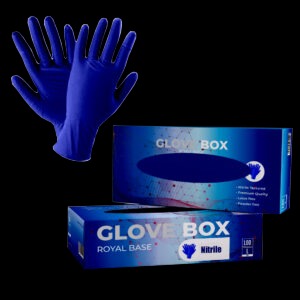
Cobalt blue nitrile gloves are widely used because they offer a level of durability that other materials often cannot match. They resist punctures, handle exposure to chemicals and bodily fluids, and maintain their integrity during extended use.
In fast-paced healthcare environments, this reliability is critical.
Visibility That Supports Safer Practice
The cobalt blue colour serves a practical purpose. It allows healthcare workers to identify tears, punctures, or contamination more easily.
This added visibility supports quicker responses and reduces the likelihood of unnoticed exposure, reinforcing overall safety standards.
Compliance and Standards in South African Healthcare
Healthcare facilities operate within strict regulatory frameworks. These standards are designed to ensure consistent levels of safety and care.
Meeting Clinical Requirements with the Right Equipment
Medical-grade and sterile surgical gloves SA are manufactured to meet established safety standards. Using compliant products ensures that healthcare facilities align with regulatory expectations and maintain proper hygiene protocols.
Supporting a Culture of Accountability
Beyond compliance, there is a broader responsibility to maintain patient trust. Every piece of equipment used in patient care contributes to that trust, including gloves.
Choosing the correct type of glove is part of maintaining that standard.
Medical Grade vs. Standard Gloves: Cost vs. Consequence
Cost is often a factor in procurement decisions, particularly in high-volume environments like hospitals and clinics.
The Real Cost of Using Standard Gloves
While standard gloves may appear more affordable upfront, the long-term implications are far more significant. Increased risk of infection, potential complications, and reputational damage all carry costs that far exceed initial savings.
Investing in Consistency and Protection
Medical-grade gloves provide consistent performance, reducing uncertainty in critical environments. This consistency supports both patient safety and operational efficiency.
In healthcare, the cost of compromise is rarely justified.
Building a Reliable Supply Chain for Healthcare Facilities
Product quality is only part of the equation. Availability is equally important.
The Importance of Consistent Supply
Healthcare facilities rely on a steady supply of gloves to maintain operations. Delays or shortages can disrupt workflows and increase risk.
Working with a reliable supplier ensures that essential products are always available when needed.
Supporting Clinical Operations Without Interruption
GloveSA focuses on providing consistent access to medical-grade gloves across South Africa. This reliability supports uninterrupted operations and allows healthcare providers to focus on patient care rather than procurement challenges.
Set the standard. Stock the right gloves with GloveSA.
In healthcare, the standard is defined by consistency. Every decision contributes to the overall level of care being delivered.
The comparison between medical grade vs. standard gloves is ultimately a choice between reliable protection and unnecessary risk. Sterile gloves for procedures and high-quality nitrile for daily use form the foundation of effective infection control.
These choices are not enhancements—they are the baseline. They ensure that healthcare environments operate safely, consistently, and in line with the expectations placed on them.
Because in the end, patient care is not defined by what is visible. It is defined by what works, every time, without exception.